Key Takeaways
- Real-Time Sentiment: The CME FedWatch Tool translates 30-Day Fed Funds Futures into quantitative probabilities for FOMC rate decisions.
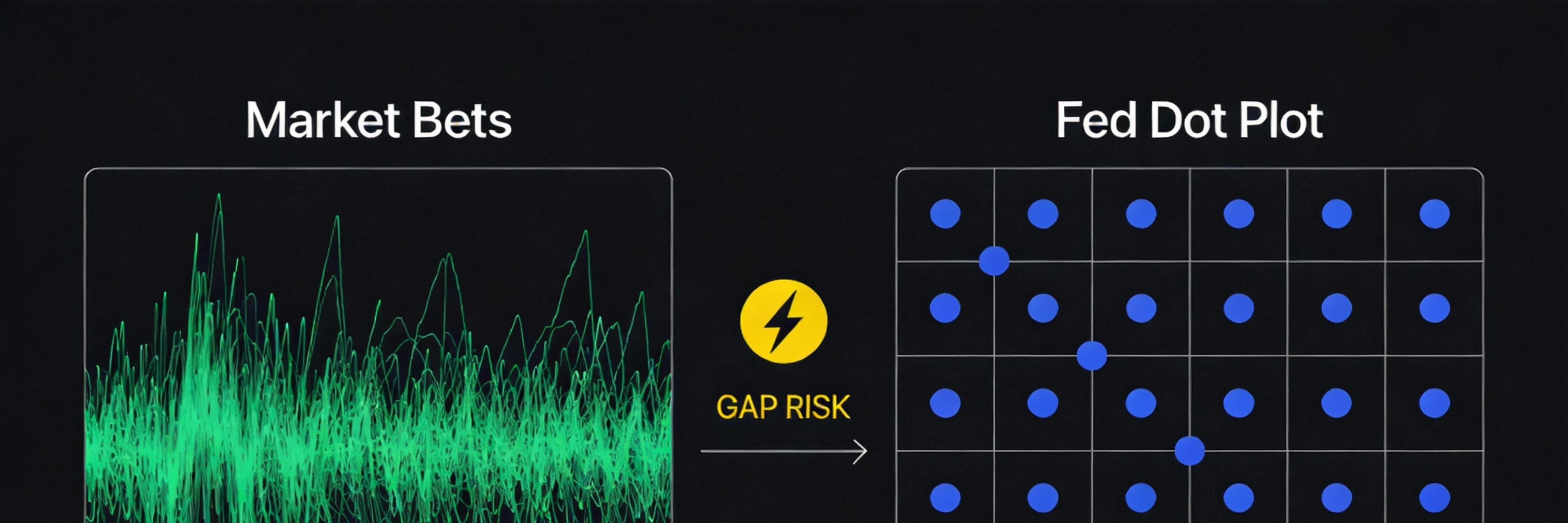
- Market vs. Fed: In 2026, a significant gap exists between market-implied rate cuts and the Federal Reserve's internal "Dot Plot" projections.
- Actionable Strategy: Investors use this data to adjust bond durations, hedge with Gold, and time entries into cyclical equity sectors.
- Dynamic Accuracy: Probabilities are highly reactive to CPI and employment data; long-dated 2026 forecasts should be viewed as speculative rather than guaranteed.
What is the CME FedWatch Tool and Why It Matters in 2026
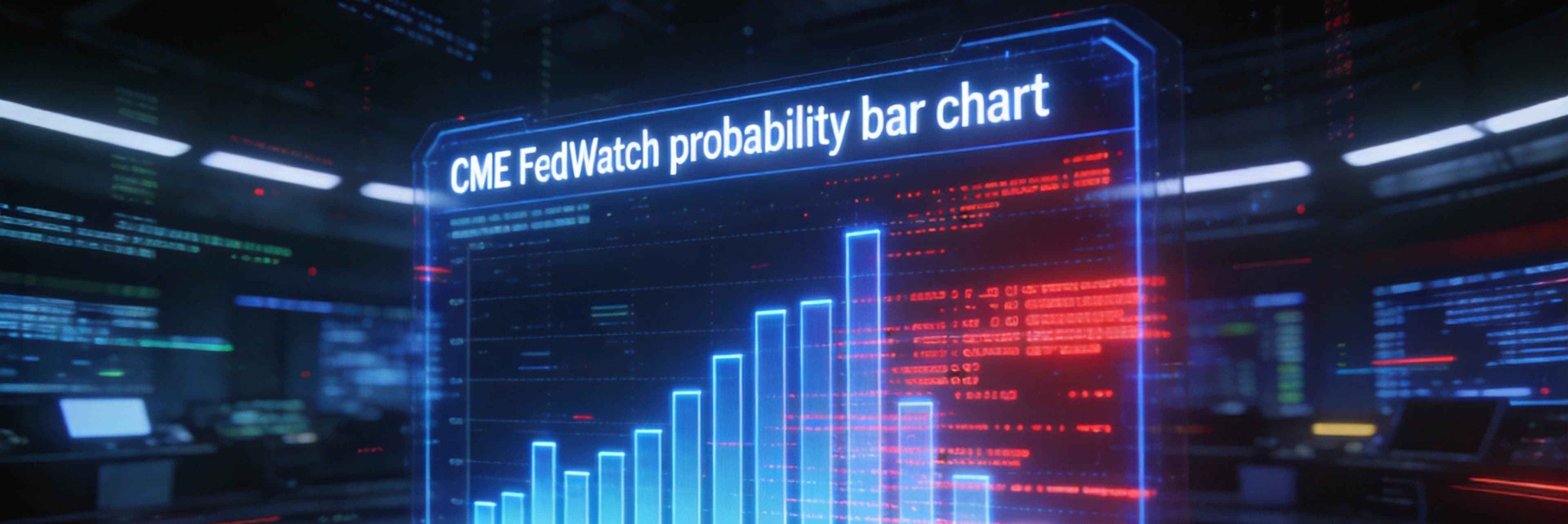
The CME FedWatch Tool is a premier diagnostic resource used by market participants to visualize and analyze the market's expectations of upcoming Federal Open Market Committee (FOMC) interest rate actions. Developed by the CME Group, the tool functions by calculating Interest Rate Probabilities derived from the trading activity of futures markets.
In the complex financial landscape of 2026, where the balance between curbing inflation and sustaining economic growth remains delicate, this tool serves as a vital barometer for sentiment. Rather than relying on subjective opinions, it provides a quantitative look at what "big money" institutional traders are actually betting on regarding the federal funds rate.
Why the Tool is Critical for the 2026 Economic Climate
As we navigate through 2026, the monetary policy forecast has become increasingly nuanced. Following a period of restrictive rates, the focus has shifted toward the pace and frequency of potential cuts. The CME FedWatch Tool is indispensable for several reasons:
- Tracking Policy Pivots: According to recent market data, the tool currently points toward a high probability of rate cuts in 2026—specifically targeting April and September—as policymakers respond to "cracks" in the jobs market and shifting economic growth forecasts.
- Decoding Market Sentiment vs. Fed Guidance: While the Fed’s own Summary of Economic Projections (SEP) provides the internal view of the FOMC, the FedWatch tool reflects the real-time reaction of the market. For instance, while some analysts debate the risk of hikes, futures prices in early 2026 have shown a near-zero probability of rate increases, with a 90% implied probability of at least one 0.25 percentage point cut within the next 12 months.
- Volatility Management: For U.S.-based retail investors and bond traders, the tool acts as an early warning system. By monitoring shifts in target rate probabilities, investors can hedge against sudden market swings.
💡 Trader's Insight: While the Fed moves slowly, the market moves instantly. A shift in rate probabilities often triggers massive volatility in crypto markets. Learn how to trade these "News Spikes" in Trading the “News Spike”: Capturing Alpha in the First 30 Seconds.
⚔️ The Divergence: Market vs. Fed
| Feature | Market Expectation (CME FedWatch) | Fed Guidance (Dot Plot) |
|---|---|---|
| Source | Real-Money Futures Traders | 19 FOMC Members |
| Update Frequency | Real-Time (Every second) | Quarterly (Lagging) |
| Sentiment | Often Optimistic (Prices in cuts early) | Conservative (Higher for longer) |
| Utility | Short-term Volatility Trigger | Long-term Policy Trend |
Step-by-Step: Navigating the FedWatch Interface for 2026 FOMC Meetings
To effectively forecast interest rate shifts, investors must master the interface. This tool translates interest rate markets into actionable data, allowing you to see exactly what the market expects from the FOMC in 2026.
Accessing the 2026 Meeting Tabs
Upon opening the tool, the first thing you will notice is a series of tabs located at the top of the main chart area. Each tab represents a scheduled FOMC meeting date. To analyze the 2026 outlook, follow these steps:
- Locate the Date Tabs: The tool displays the next several scheduled meetings. For a 2026 strategy, toggle between tabs ranging from January 27-28, 2026, through the final meeting on December 8-9, 2026.
- Compare Probabilities: Below the bar chart, the tool provides a "Probabilities" table. This is essential for comparing current market odds against historical data (e.g., "1 Day Ago" or "1 Month Ago") to see if sentiment is shifting toward a more hawkish or dovish stance.
- Analyze the Target Range: Each column on the chart represents a possible basis point (bps) move. If the highest bar is at a lower range than the current "Fed Funds Rate," the market is pricing in a cut.
2026 FOMC Schedule Reference
To help you navigate the tool more efficiently, keep the following 2026 FOMC meeting schedule in mind:
- Q1: January 27-28, March 17-18
- Q2: April 28-29, June 16-17
- Q3: July 28-29, September 15-16
- Q4: October 27-28, December 8-9
Pro Tip: Market participants are often more focused on the Fed Chair’s press conference. Use the tool during these conferences to see real-time shifts in interest rate probabilities as the Chair speaks.
Interpreting the Data: Probability Charts and Target Rate Predictions
Understanding the visual data is the first step toward mastering monetary policy forecasts. The primary output is a bar chart displaying various interest rate targets on the horizontal axis and the calculated probability of those targets on the vertical axis.
Reading the Probability Bars
In the context of a 2026 market outlook, each bar represents a specific target range. To effectively interpret this data, consider:
- Target Rate Probabilities: These percentages represent the likelihood of the Fed moving rates to a specific level. A higher bar indicates a stronger market consensus.
- Historical Context: Comparing today’s probabilities with those from a month ago allows investors to see if the market is becoming more "hawkish" or "dovish."
What a "95% Chance of a Hold" Actually Means
A common scenario is a high-conviction reading, such as a 95% probability of a rate hold. While this may seem like a certainty, it must be interpreted through the lens of market momentum. In financial terms, a 95% probability suggests that the market has almost entirely "priced in" the Fed's decision.
However, for a bond trader, a 95% "Hold" reading carries specific strategic implications:
- Low Volatility Expectation: If the Fed acts as expected, the immediate market reaction is often muted.
- The "Shock" Factor: The real risk lies in the remaining 5%. If the Fed surprises the market, it can trigger massive liquidations.
- Momentum Shifts: A shift from a 60% chance to a 95% chance indicates growing confidence in a "soft landing."
CME FedWatch vs. the Fed Dot Plot: Identifying Market Gaps
A critical step in using the CME FedWatch Tool is the Dot Plot comparison. The "Dot Plot" represents the internal projections of FOMC members, while FedWatch represents the "wisdom of the crowd" via futures trading.
In 2026, a significant gap between these two often signals a "Market vs. Fed" showdown. For instance, if the bond market prices in aggressive cuts due to a "slow degradation" in labor data, but the Fed’s Dot Plot remains higher due to inflation concerns, expect heightened volatility. According to Morningstar's 2026 outlook, the Fed is expected to continue easing, but the cycle may be shallower than some market participants hope.
How to Use FedWatch Data for Portfolio Positioning in 2026
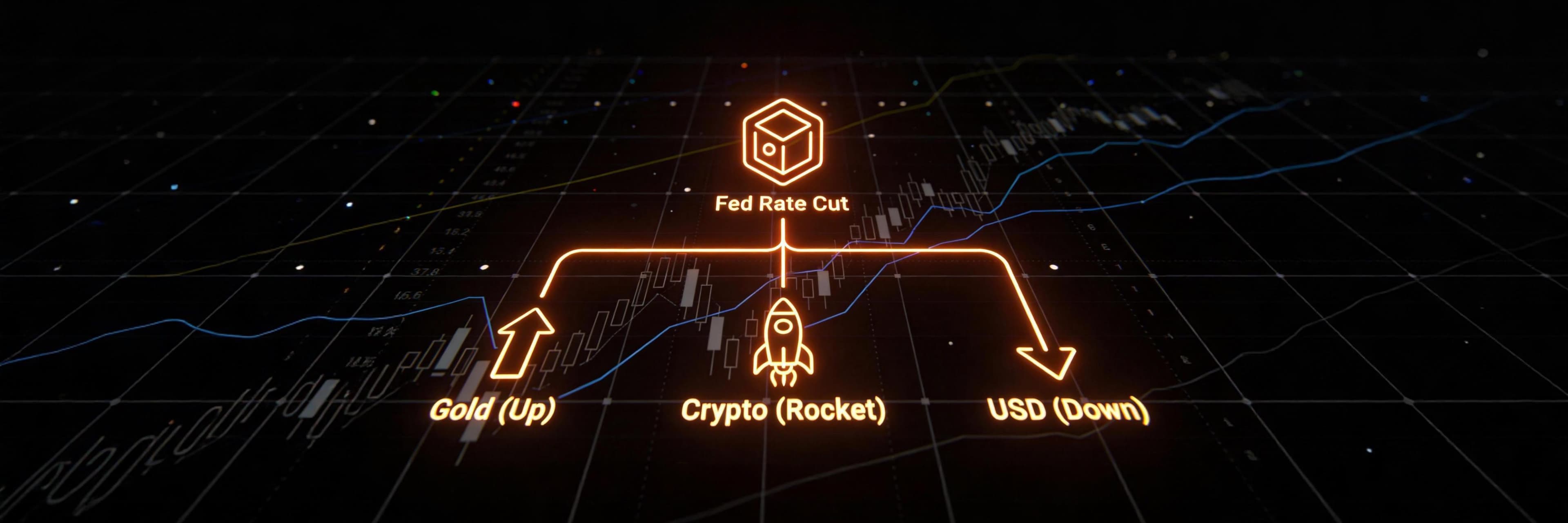
To thrive in 2026, investors must translate these figures into actionable asset allocation. As the market transitions toward a neutral rate range of 3.0%–3.5%, a "slow and low" easing cycle requires a pragmatic approach.
Strategizing Based on Interest Rate Probabilities
- Fixed Income & Bond Duration: If FedWatch probabilities suggest fewer cuts than previously anticipated (a "hawkish lean"), consider shortening bond durations. However, locking in yields on intermediate-term high-quality corporate bonds now may provide a cushion before further easing occurs.
- Equity Sector Rotation: A "soft landing" scenario often favors cyclical sectors. Investors should keep a close watch on financial firms and international stocks, which may offer a bull case as global economic tailwinds shape the first half of 2026.
- Hedging with Commodities: If the tool indicates the Fed is forced to pause due to "sticky" inflation, Gold remains a vital hedge. If the Fed cuts rates while inflation remains above the 2% target, real rates fall, typically boosting bullion prices.
- Managing Volatility: If the market prices in a low chance of a cut and the Fed delivers a reduction, the resulting "dovish surprise" can lead to a rapid rally in growth stocks and REITs.
🚀 Crypto Angle: Low rates usually mean high crypto prices. But you need to spot the liquidity squeeze before the chart pumps. Learn how to visualize this flow in Visualizing Velocity: How to Spot a Crypto Price “Squeeze”.
Common Pitfalls: Understanding the Limits of 30-Day Fed Funds Futures
While the CME FedWatch Tool is an indispensable asset, it is not a "crystal ball." The tool derives its data from futures margins and pricing, which reflect market sentiment at a specific moment.
The Reactive Nature of Futures Pricing
The primary limitation is that it is a reactive indicator. Probabilities can shift violently following the release of high-impact economic data:
- Inflation Data: A higher-than-expected CPI report can cause the market to "price out" rate cuts instantly.
- Employment Shifts: Sudden weakness in the labor market may lead traders to aggressively price in emergency liquidity measures.
Strategic Caution for 2026
For those looking to decode interest rate moves, the tool should be used as one component of a broader toolkit. Relaying on a single data point without accounting for the underlying economic drivers can lead to "bubble-like" trading conditions. Always cross-reference the tool's probabilities with official Fed rhetoric and broader macroeconomic indicators to ensure your strategy remains resilient against 2026 policy shifts.
FAQ
What is the primary data source for the CME FedWatch Tool?
The tool derives its probabilities from the prices of 30-Day Fed Funds Futures traded on the CME. These futures reflect the market's collective bet on the average daily effective federal funds rate for a given month.
How often do the FedWatch probabilities update?
The probabilities update in real-time throughout the trading day as futures prices fluctuate. Significant shifts often occur immediately following the release of major economic reports like the Non-Farm Payrolls (NFP) or Consumer Price Index (CPI).
Does a 100% probability on the tool guarantee a Fed move?
No. While a 100% reading indicates total market consensus, the Federal Reserve is an independent body. The Fed can—and sometimes does—defy market expectations if their internal data suggests a different course of action is necessary for economic stability.
Why is there a difference between the FedWatch Tool and the Fed Dot Plot?
The FedWatch Tool represents what investors and traders expect based on their money at stake in the futures market. The Dot Plot represents what FOMC members themselves project for the future path of rates. Gaps between the two often highlight potential market volatility.
Can I use the FedWatch Tool to predict stock market movements?
While the tool doesn't predict stock prices directly, it helps investors understand the interest rate environment. Generally, higher probabilities of rate cuts are viewed as bullish for growth stocks, while higher probabilities of rate hikes or "higher for longer" stances can put downward pressure on equities.
Explore More Trading Resources
Solved your immediate problem? Go deeper:
- Trading Psychology Guide - Why discipline fails and how architecture solves it
- Momentum Trading Guide - Pattern recognition and execution frameworks
- Speed Advantage Guide - Infrastructure that multiplies edge
Browse all resources: Trading Tools & Resources Hub
Ready to trade with zero friction? → Start on Manic.Trade